
Uzbekistan & Japan · International cooperation
A Vision for
Judicial Excellence
Uzbekistan’s Academy of Justice builds bridges in Japan
Rector Sherzod Abdukadirov and the Uzbek delegation deserve recognition for an international engagement rooted in professional curiosity, institutional ambition and the pursuit of better justice.

6 min read
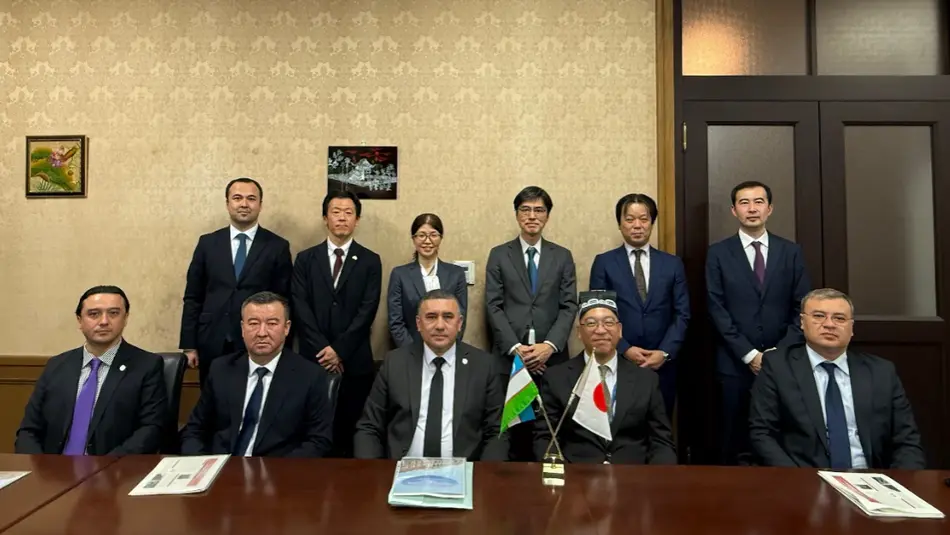
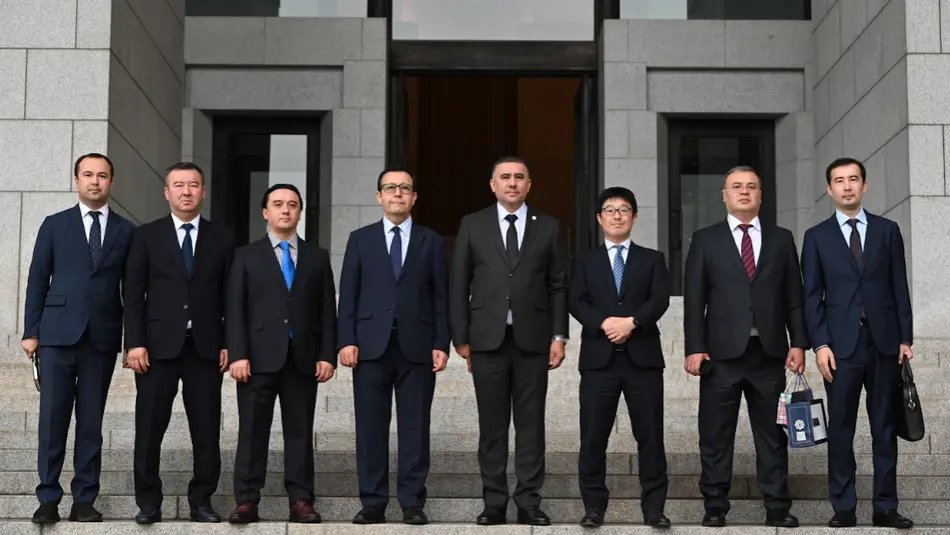
6 photographs from the visit
A strong judicial institution keeps learning. It values the experience of its own professionals while remaining open to the ideas, methods and questions that others can contribute. That combination of confidence and intellectual openness is an admirable quality in public leadership.
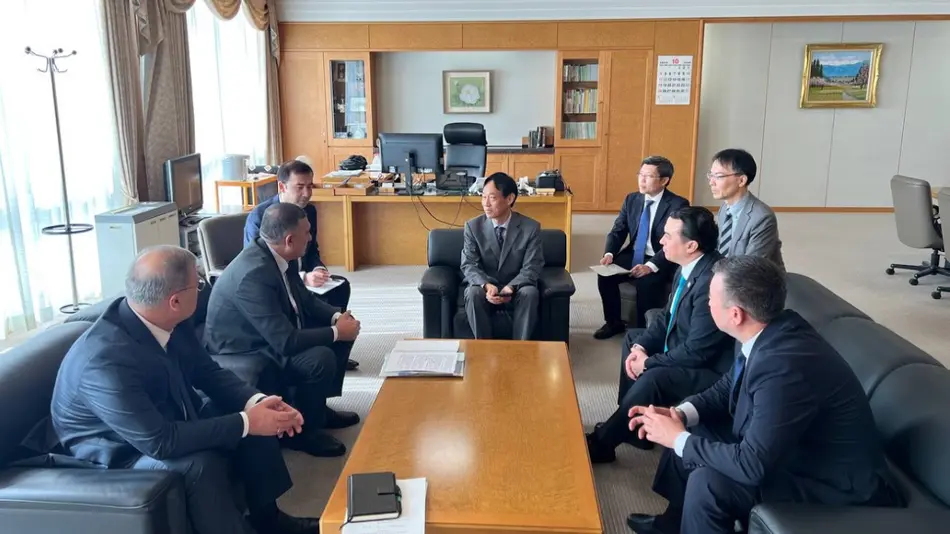
It is also why the Academy of Justice of Uzbekistan’s engagement with Japan deserves warm recognition. Led by Rector Sherzod Abdukadirov, the delegation visited Japan on 20–23 October 2026, according to Dunyo Information Agency.1 Representatives of the Academy and the Supreme Judicial Council took part in the programme.
01 / Leadership with purpose
The confidence to learn, the ambition to improve
In my view, Abdukadirov’s leadership of this visit reflects a commendable understanding of an academy’s responsibility. The work of educating judges calls for a willingness to examine how professional knowledge becomes sound judgment. Seeking that understanding through direct engagement with experienced colleagues abroad is a thoughtful use of institutional leadership.
The delegation merits particular credit for giving professional development a prominent place in international cooperation. Institutions become stronger when their representatives bring home better questions, new teaching ideas and relationships that allow difficult problems to be discussed openly. Such work can be quiet and painstaking, yet its potential value to the public is considerable.
For the Academy, this is an encouraging expression of ambition: to participate confidently in an international professional conversation and to consider what can be learned from it. That is a worthy example for younger lawyers. Serious expertise grows through study, dialogue and the discipline of questioning one’s assumptions.
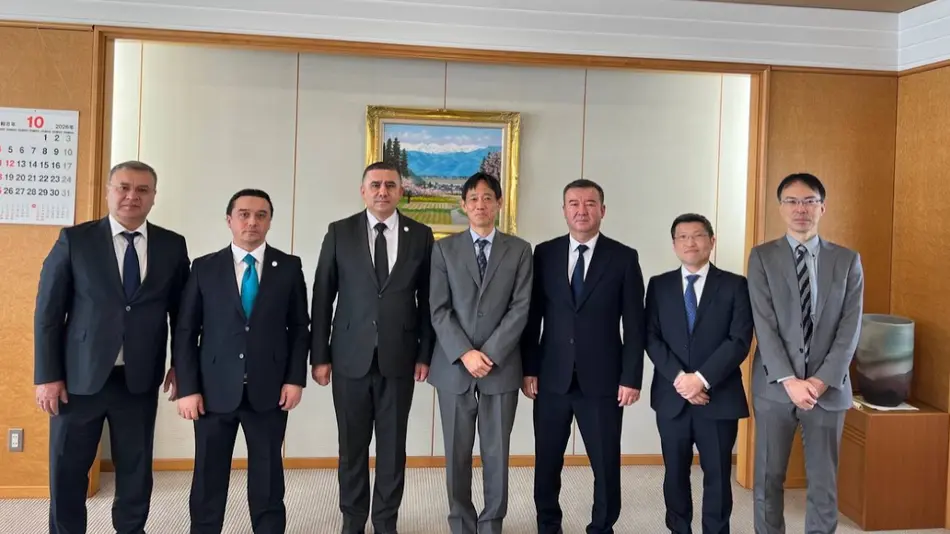
The willingness to learn is one of the clearest signs of an institution’s confidence in its future.
Bohodir Sa’dullaev · Author’s perspective
02 / From dialogue to practice
Professional ambition,
practical attention
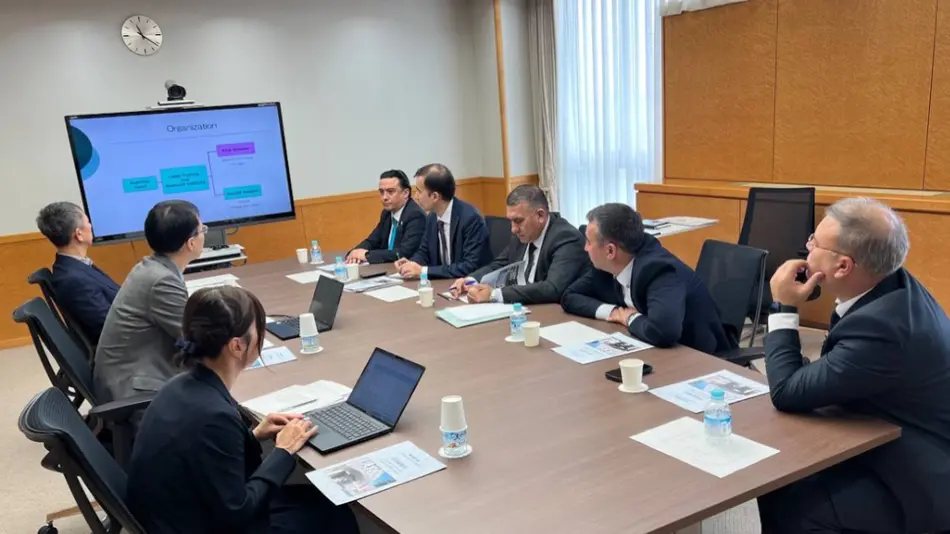
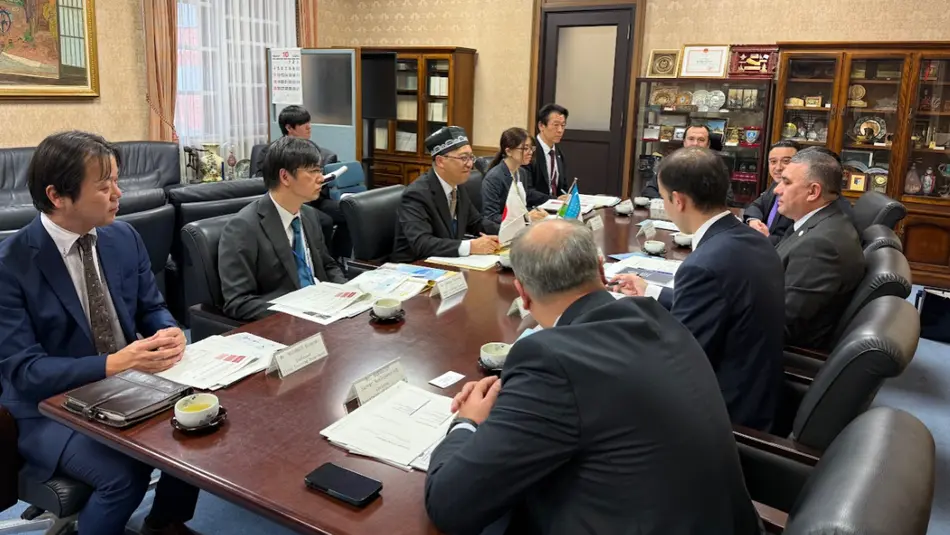
The programme included Japan’s Supreme Court, the Legal Training and Research Institute (LTRI), and the Ministry of Justice’s Research and Training Institute. The delegation also observed a hearing at the Tokyo District Court. Discussions covered court organisation, legal education and teaching methods.1
That attention to both education and everyday proceedings is especially welcome. A courtroom gives practical meaning to questions raised in a seminar: how a judge listens, how an argument is clarified and how proceedings remain intelligible to the people involved. Looking closely at these connections is a serious professional undertaking.
The Japanese hosts deserve appreciation for making this exchange possible. Sharing institutional experience requires time, preparation and a willingness to explain the reasoning behind established practices. Their engagement gives the relationship a valuable foundation in professional respect.
03 / Investing in professional judgment
Judicial excellence begins with the quality of learning
Japan’s Supreme Court describes the LTRI as an institution responsible for judges’ research and training and the professional preparation of legal apprentices. Its account emphasises practical experience, ethical standards and continued learning. Training for judges also extends to the social and economic setting in which disputes arise.2
These themes explain the value of the Academy’s choice of interlocutors. The strongest legal education asks how knowledge should be used when the facts are incomplete, the parties disagree and a decision carries consequences for someone’s life. It helps a future judge develop patience, clarity, independence of thought and respect for the person seeking a hearing.
International exchange can enrich that education. A discussion of teaching methods may inspire a better case exercise. An observation about courtroom practice may prompt a more useful question in a training session. A conversation between instructors can reveal a different way to explain a difficult professional responsibility. Each is a plausible route from cooperation abroad to more effective learning at home.
The Academy and its partners deserve praise for investing attention in this demanding work. A commitment to professional formation is a commitment to the people who will one day rely on the courts. Its importance reaches well beyond the classroom.
04 / A relationship that can grow
Giving a promising exchange a lasting future
Dunyo reports an agreement to develop direct institutional contacts, reciprocal visits, joint seminars, expert meetings and training activities.1 This offers a constructive basis for continued work.
Those next steps are promising because they give professional relationships somewhere to develop. An instructor needs colleagues with whom to discuss an unfamiliar problem. A researcher benefits from a different perspective on an established method. An academy gains from sustained exchanges in which questions can be revisited and ideas refined. Regular contact makes that kind of cooperation possible.
The opportunities ahead could include practical case discussions, exchanges between teaching staff and comparative work on judicial education. These are possibilities suggested by the visit’s agenda, with their particular form to be developed by the institutions concerned. Their value would lie in careful adaptation to Uzbekistan’s needs and legal setting.
Abdukadirov and the delegation should be commended for helping establish the conditions for this continuing conversation. The success of a partnership grows through the people who prepare its activities, follow up its questions and share what they learn. Recognising that collective effort is part of recognising the visit itself.
The author’s assessment
A contribution worthy of respect and recognition
I regard this visit as a welcome example of purposeful institutional leadership. Rector Sherzod Abdukadirov, the Academy’s representatives and their colleagues from the Supreme Judicial Council deserve sincere recognition for pursuing a professional dialogue with clear relevance to judicial education. Their Japanese counterparts deserve equal appreciation for the spirit of cooperation that made it possible.
The initiative carries an appealing idea of progress: an institution develops by taking its responsibilities seriously enough to keep learning. It honours professional experience while making room for new insight. For an academy entrusted with preparing people for judicial responsibility, that is a particularly valuable ambition.
The lasting results will emerge through the work that follows. The direction already merits support. By bringing international engagement closer to the practical needs of legal education, the delegation has taken a thoughtful and encouraging step towards the kind of professional excellence that public trust in justice requires.
About the author
Bohodir Sa’dullaev
Founder & Editor-in-Chief of The Legal Perspective. This article presents the author’s appreciation and analysis of the delegation’s work.
Meet the authorThe record behind the perspective
Sources & photography
An opinion article informed by Dunyo’s reporting and official institutional information. All six visit photographs are credited to Dunyo Information Agency and link to its original report. The author portrait was supplied by the author.
- Dunyo Information Agency — Report on the Academy’s Japan visit ↗26 October 2026 · Visit of 20–23 October · Reporting and all six visit photographs
- Supreme Court of Japan — The Legal Training and Research Institute of Japan ↗Official institutional account · Judicial training, professional education and practical learning
- Supreme Judicial Council of the Republic of Uzbekistan ↗Official English website · Institutional name